
Sergey Shurupov is an artist and designer working at the intersection of the natural and the simulated. Rooted in 3D and computation, his practice spans art direction, animation, and research, with a sustained focus on light, texture, and the behavior of physical systems translated into digital form. His work is driven by experimentation: constructing visual systems, studying how form emerges, and exploring the boundary between control and emergence. Through iterative processes, he develops images that feel both constructed and alive - balancing control with unpredictability.
How would you describe your artistic practice?
I’m driven by experimentation - with form, meaning, and visual language. My practice is a constant remix of ideas, contexts, and approaches. It’s not just a way of working, but a way of thinking. I’m interested in finding unexpected intersections, looking at familiar things from a different angle, and exploring aesthetics in transitional states - between order and chaos, system and intuition. I often work with light and materials, observing how they behave under different conditions, how their form and texture evolve. Inspiration frequently comes from nature - its structures, surfaces, and imperfections. Each personal project is an opportunity to test a new hypothesis, try a different approach, and see where it might lead.
How are you using technology to engage with nature?
I’m not interested in literally reproducing natural forms. Instead, I focus on the underlying principles - growth, tension, energy, balance. I translate these principles into a computational environment, where they can be reinterpreted and pushed toward abstraction. In this context, technology is not a tool for imitation, but a method of investigation. It becomes a dialogue: on one side, control and precision; on the other, unpredictability and behaviors that can’t be fully predefined. It’s within this tension that a sense of something “alive” begins to emerge.
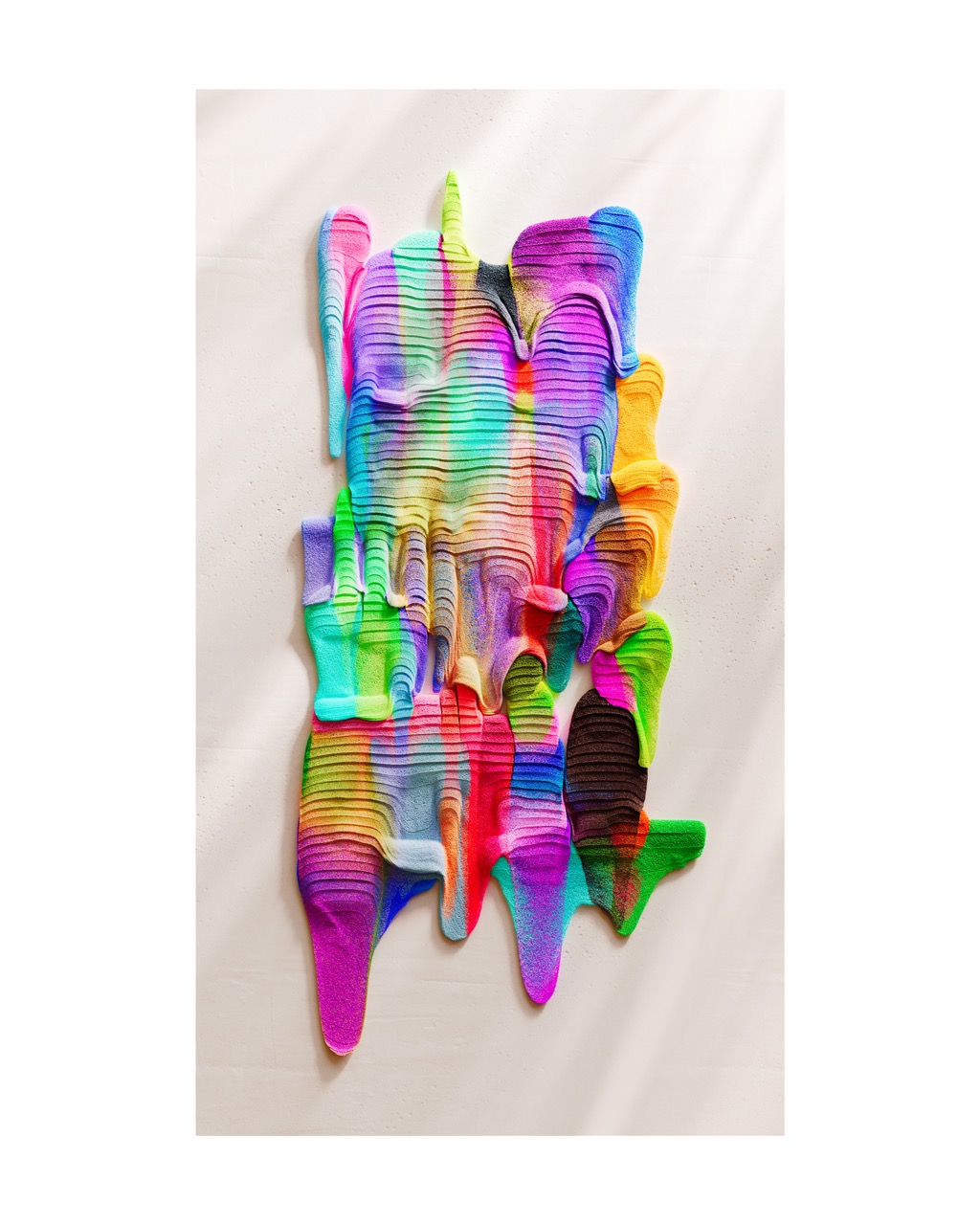
What interests you about working with emerging technologies?
Emerging technologies almost always lead to unexpected discoveries. Even simple actions can produce complex, unpredictable results - things that would be difficult to anticipate in advance. I’m drawn to that moment of uncertainty, when a tool is still undefined and doesn’t yet have an established visual language. In those moments, you’re not just using a tool - you’re exploring its boundaries and behavior. It shifts the focus from production to exploration, and allows new visual ideas to emerge more organically.
How do you view the relationship between art and innovation?
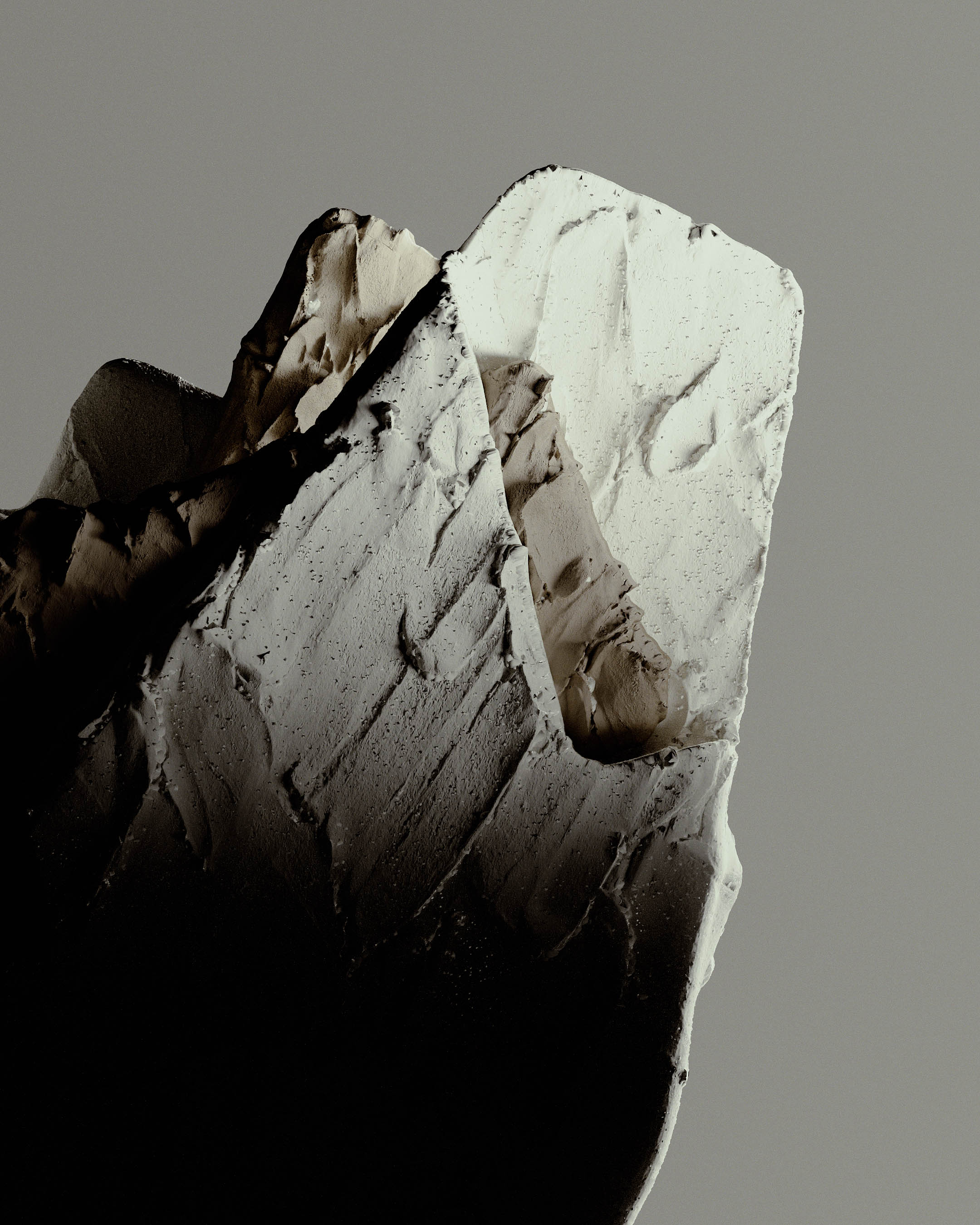
For me, innovation is not a goal, but a natural outcome of working deeply with a material or system. There will always be solutions built on new technologies, alongside classical techniques that have already proven their strength and expressiveness. I’m interested in working at the intersection of the two, rather than choosing one over the other. Often, it’s precisely this combination - of established methods and new tools - that leads to the most compelling results. In that sense, art becomes a space where these different layers can coexist and reinforce each other.
What do you want the viewer to take away from your work?
I’m interested in creating a state where the viewer encounters something that feels familiar, yet not fully recognizable - a form or behavior that exists somewhere between the natural and the artificial. This creates a pause, a moment of closer observation. And if that moment produces a sense of tension or resonance, the work begins to take on a life of its own. At the same time, it’s important for me that the viewer leaves with a sense of inspiration. Perhaps a detail, a structure, or a principle becomes a starting point for their own experiments and explorations.
