
Ke Jyun Wu (b. 1992, Taiwan) is a media artist working across interactive installations, full dome films, and physical-digital hybrid experiences. His ongoing Digiscape series builds immersive spaces around "what if?" questions drawn from personal encounters with the world. He hides precise technology behind quiet, atmospheric fields that shift how audiences perceive their surroundings. His work has been presented at the Venice International Film Festival, SAT Montréal, Cité des sciences et de l'industrie Paris, and C-LAB Taipei, among others.
How would you describe your artistic practice?
Growing up in Taiwan, a lot of us took baths in big plastic basins. I used to flip ours upside down and use the flat bottom as a wok. Every color of shampoo and body wash was a different batter, and I'd cook oyster omelets on it. Very seriously.
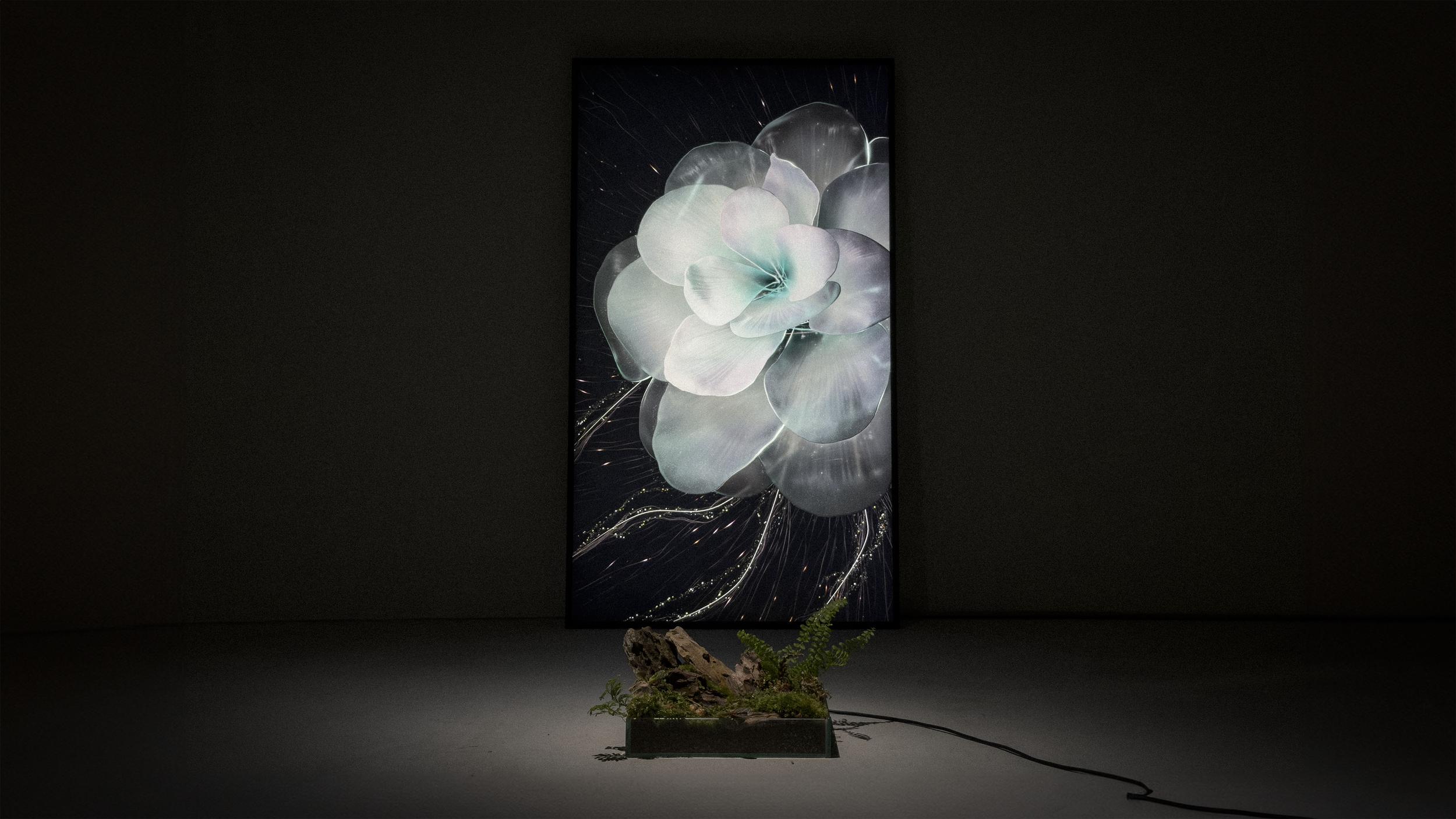
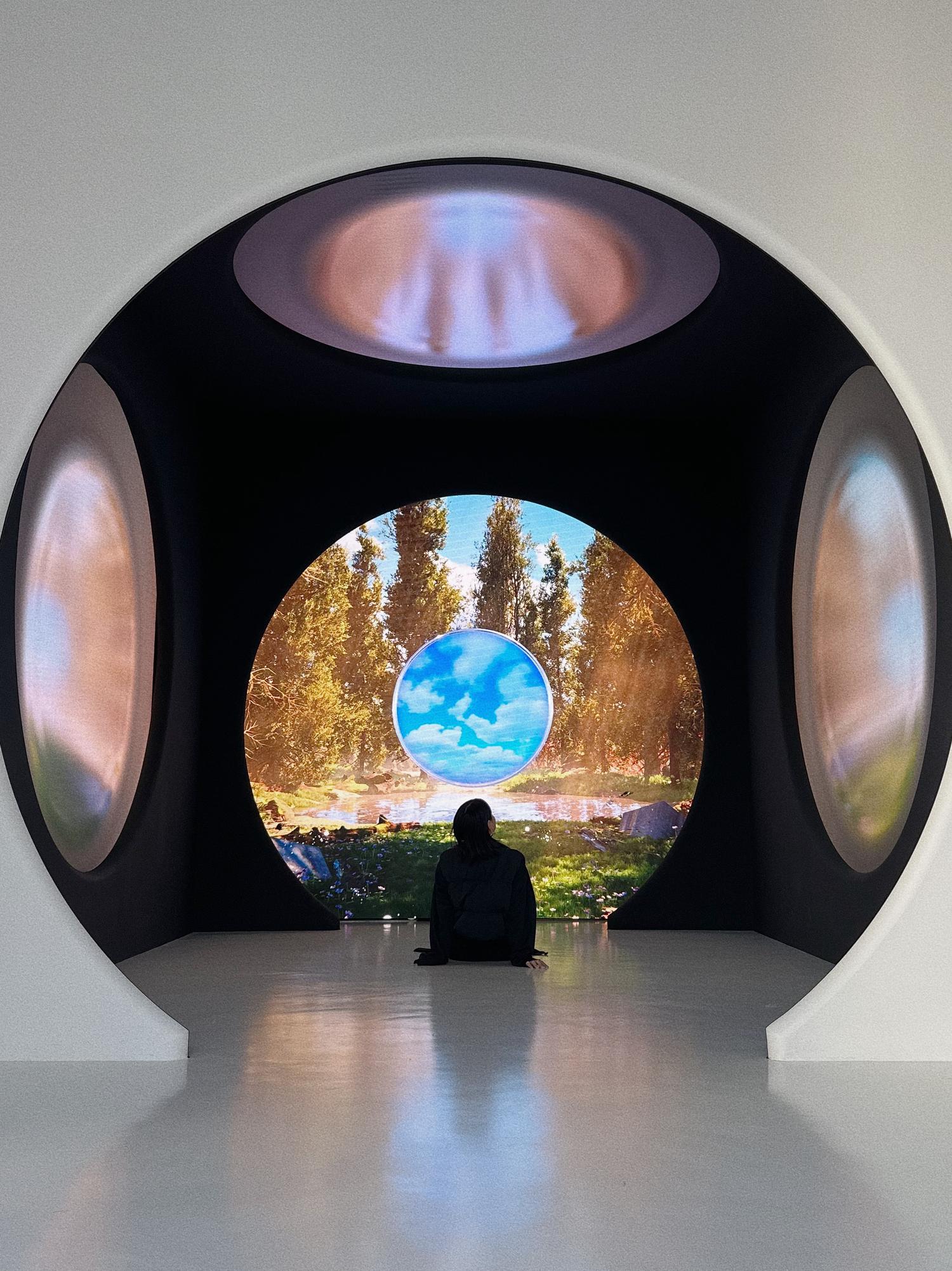
I think my practice is still that, just with different tools. I take something real, change one of its rules, and commit fully to the new version. Each piece starts with a "what if?" What if you could control falling leaves with your hands? What if you could talk to a plant? Then I build that question into a space people can walk into, mostly interactive installations and fulldome films.
What I'm always after is a wow moment that makes people feel something again. It usually comes after a long quiet stretch. You're standing there, not much is happening, and then you move.
What interests you about working with generative technologies?
The digital world is a playground for me. Honestly, I chose it because I'm good at it, and I really enjoy how the possibilities never seem to run out.
It's the same for a painter, a writer, or any other creator. We have something we want to tell you, and we pick the way we like best to bring it to life.
What generative systems add is that nothing happens the same way twice, and the work can respond to whoever is standing in front of it. Wind and light work like that too.
How would you describe the relationship between art and innovation?
Intention always comes first. Art, innovation, whatever word we use, they're just labels. Or ingredients, maybe.
It's like being a chef. You have to know what you want the viewer to feel. Then you keep rebalancing the tech, the ingredients, anything at all, until it's all on the same page. If the first thing people notice is the technology, I got the balance wrong.
What do you want the viewer to take away from your work?
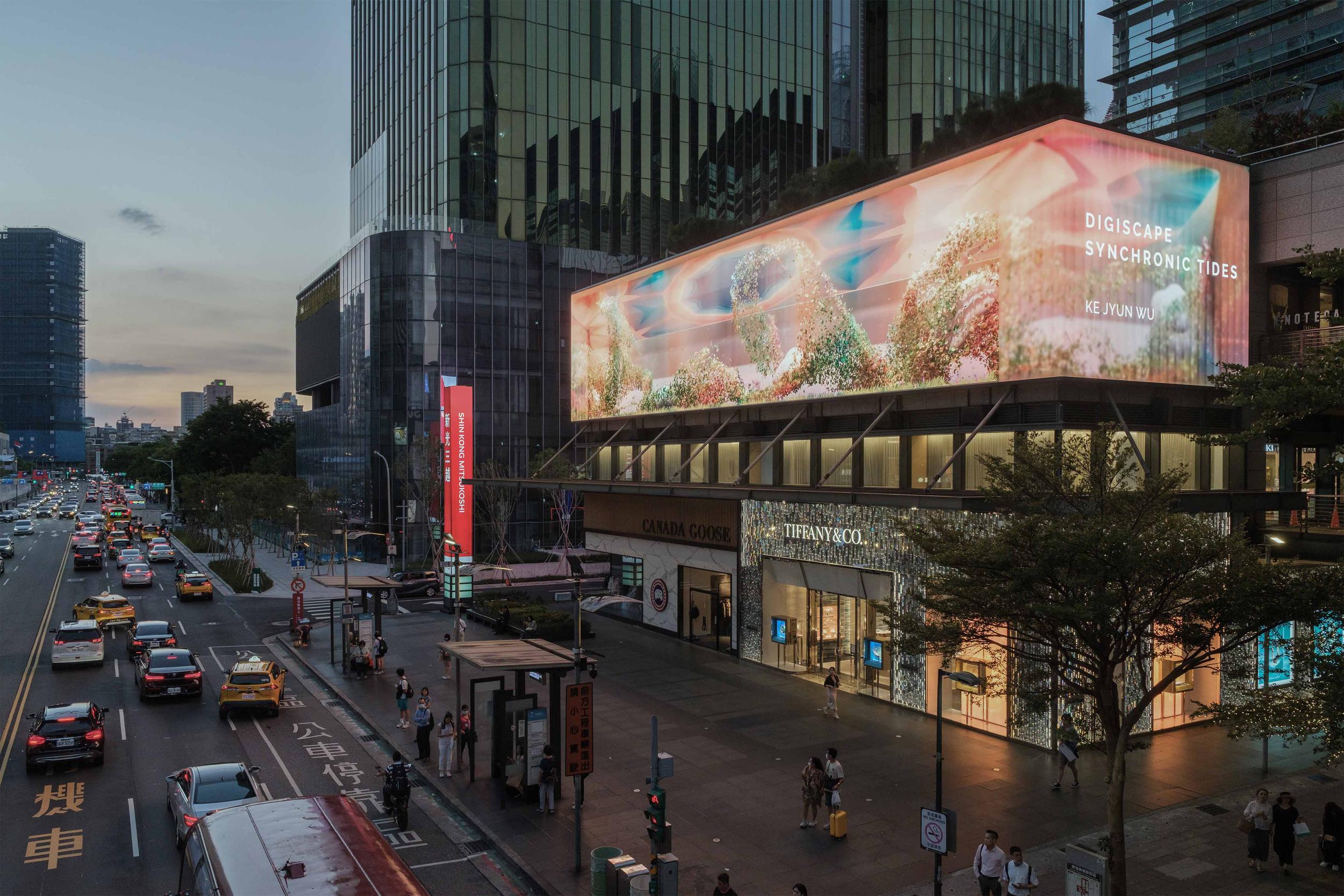
There are a lot of amazing things happening around you all the time, in your daily life. I want people to slow down a little and feel them again.
I really love a movie called Perfect Days, by Wim Wenders. It's about a man who cleans public toilets in Tokyo, and how grateful he is for everything around him.
Most of us carry a lot of pressure and expectations, from other people and from ourselves, and it wears us out. I'm not trying to say anything big. When we were kids, ordinary things could be amazing. A basin could be a wok. Our imagination was always repainting reality into something more interesting. Just pick it up again. It's still there.
What is the project you are most proud of?
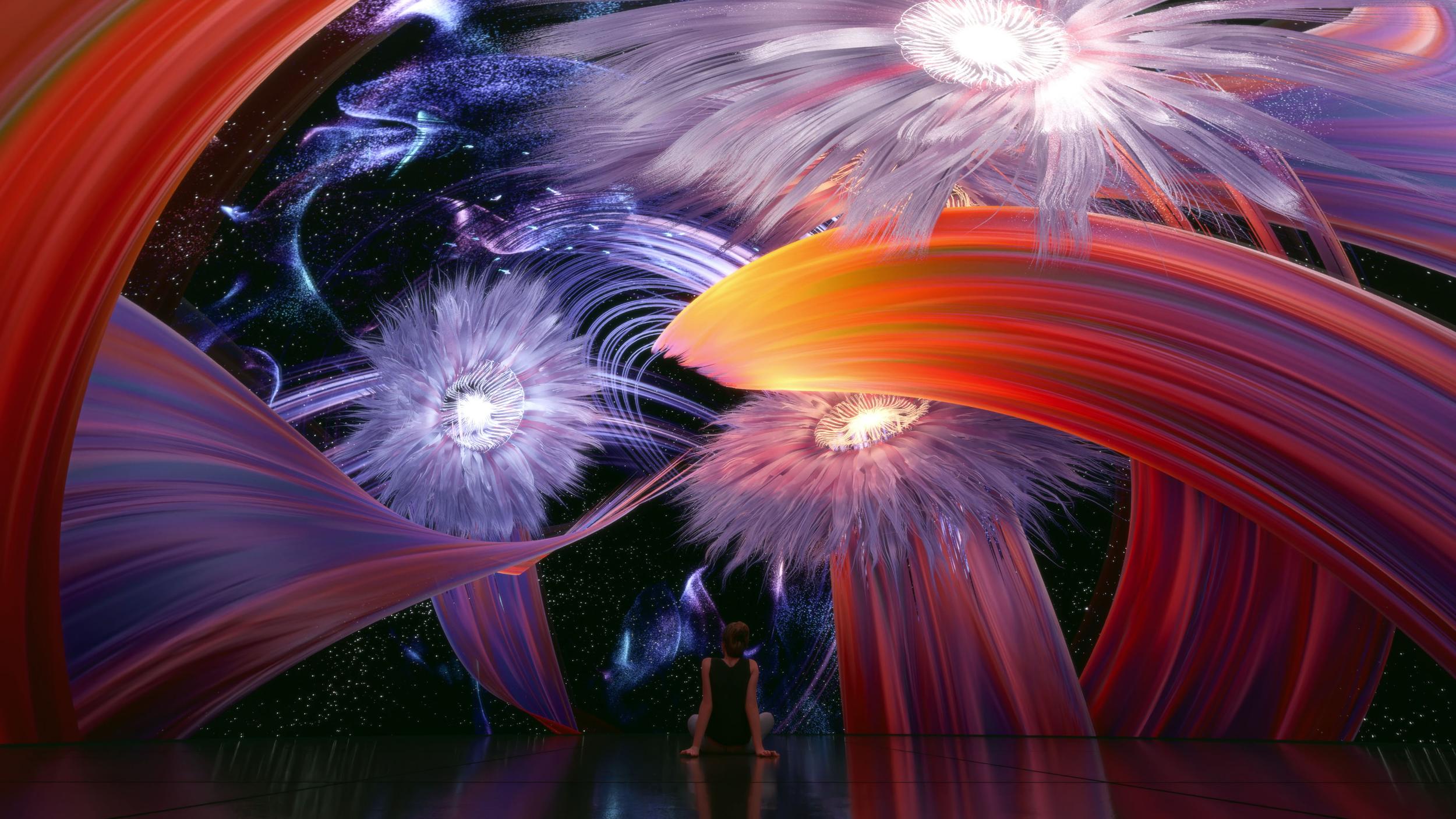
It has to be DigiScape - Lava.
Back in 2021, I was working full-time as a technical artist at a studio, and I was burned out and depressed. Nobody there treated me badly. I just never had the time to polish the work to match what was in my mind. There were always too many real-world limitations.
But I'm so proud of the younger me. I didn't give up on the thing I love. I started picking my passion back up on my own, and Lava came out of that. It's something dense and geological: slow-moving heat, pressure folding into itself, surfaces that crack and re-form. I didn't know it at the time, but that was the beginning of the Digiscape series. Without it, I wouldn't be here today.
